
Managing Drive Thru Maintenance Costs with EMAs
By Rhonda Utley • April 3, 2026 • 3 minute read
Holding off on a new drive thru system doesn't mean absorbing every repair bill along the way. Here's how an Equipment Maintenance Agreement keeps costs predictable, discounts parts and accessories, and covers your current system while you plan what's next.
Share
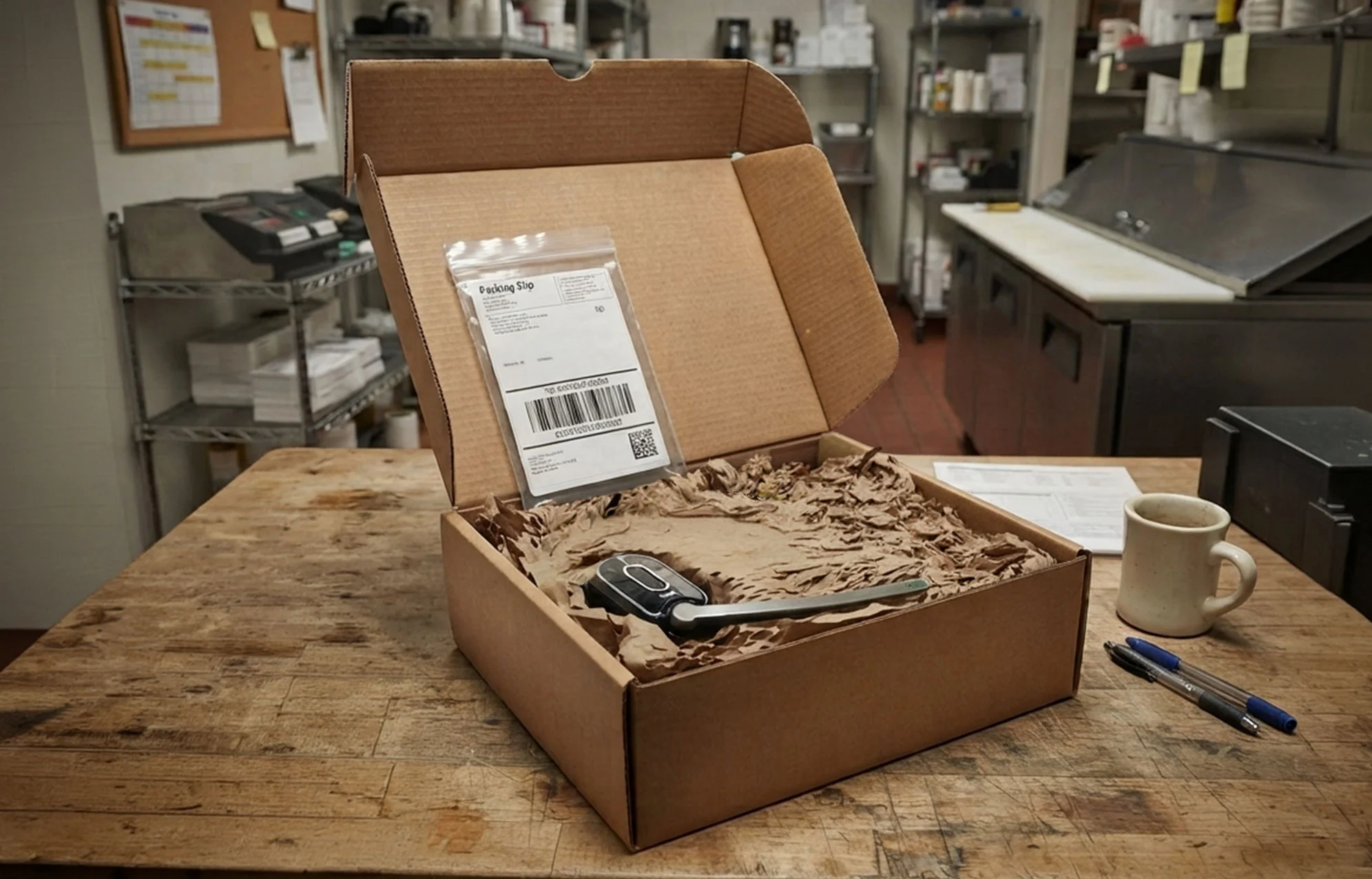
Not every restaurant is ready to invest in a new drive thru platform. Budgets, timelines, remodel schedules, and competing priorities can all delay a full system upgrade. But that doesn’t mean operators should continue absorbing rising repair costs, unexpected service calls, or full-price accessory purchases.
For many, an Equipment Maintenance Agreement (EMA) offers the perfect middle ground: a way to reduce maintenance expenses, stabilize budgets, and extend the life of existing equipment while planning for the future.
Here’s why EMAs are becoming a smart financial strategy for operators holding onto their current drive thru system.
1. Predictable Costs Instead of Surprise Repairs
Legacy equipment naturally experiences more wear and tear over the years. Without coverage, repairs can quickly become unpredictable and expensive.
An EMA shifts those unexpected expenses into a simple, predictable payment structure. Instead of worrying about the next headset failure or base station issue, operators know exactly what their maintenance spend will be each month or year. This makes budgeting easier and prevents unpleasant mid-shift surprises from turning into financial headaches.
2. Lower-Cost Repairs and Fewer Out-of-Pocket Charges
Older systems often require more frequent service. With an EMA, many repairs are included or heavily discounted, reducing the need to pay full price for parts, labor, or emergency fixes. For restaurants where every dollar counts, this alone can offset the cost of the agreement.
3. Discounts on Accessories and Replacement Components
As equipment ages, accessories like batteries, headbands, earpads, and chargers need replacement. Those costs add up fast when purchased individually.
With an EMA, operators can take advantage of discounted accessory pricing, keeping stores fully equipped without overspending. This ensures crews always have what they need, without the frustration of stretching aging gear past its limits.
4. Peace of Mind While Planning for the Future
Some operators use EMAs as a bridge strategy: protect the current system now, plan for a future upgrade later. With the drive thru covered, restaurants can forecast capital investments more confidently and transition to new technology on their own timeline.
Protect Your Equipment. Protect Your Budget.
An EMA is one of the easiest ways to reduce maintenance expenses, extend the life of your current drive thru system, and avoid paying full price for repairs and accessories, without committing to an immediate upgrade.
Talk to an HME QSR expert to explore EMA options and keep your drive thru running smoothly while you plan your next steps.
Follow HME on LinkedIn for more operational insights and product innovation updates.
Share

Rhonda Utley
Customer Success Supervisor, HME
