
Camera-Based vs. Loop Detector Drive Thru Timers: A Side-by-Side Comparison
By Brooke Wilson • August 7, 2026 • 3 minute read
Loops aren't fazed by glare, snow or headlights. Cameras can see parts of the lane loops were never built to cover. Here's a side-by-side look at both timer technologies and how to decide which one fits your drive thru.
Share
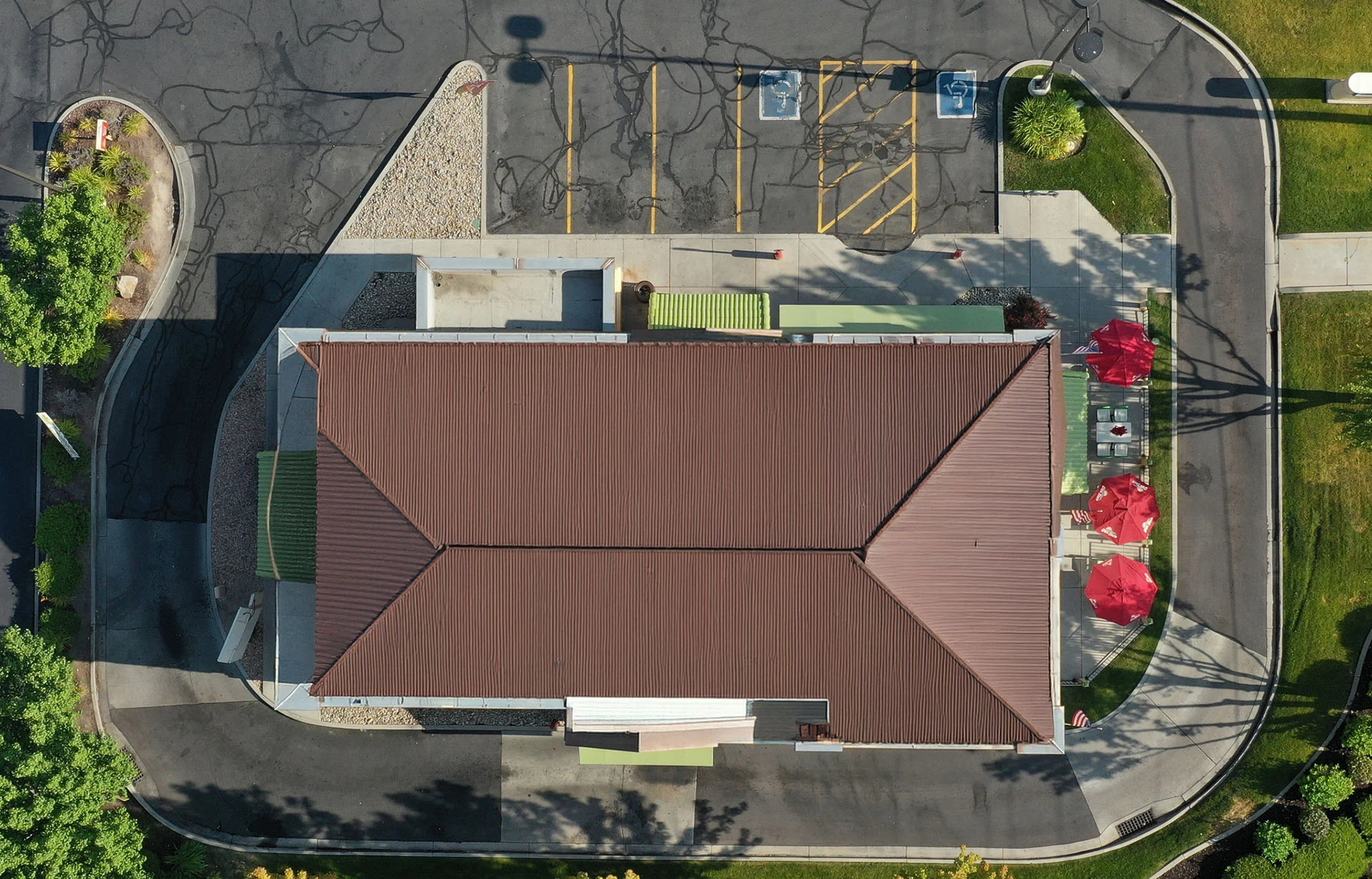
Operators shopping for a new drive thru timer system generally land on one of two underlying technologies: in-ground loop detectors or camera-based computer vision. Both can tell you how long a car sat in your lane, but they get there in very different ways, with different strengths, blind spots, and long-term costs. Here is how they compare.
How Each Technology Works
Loop detectors rely on a coil of wire embedded in the pavement at a fixed point in the lane. When a vehicle passes over it, the metal in the car disrupts the coil’s electromagnetic field, and the system logs a timestamp. Camera-based systems take a different approach entirely. Cameras mounted above or alongside the lane use computer vision to identify and track vehicles visually as they move through the drive thru, without any hardware buried in the ground.
Side-by-Side Comparison
| Category | Loop Detectors | Camera-Based Systems |
|---|---|---|
| Installation | Requires cutting into pavement to embed sensors | Mounted above the lane; no excavation required |
| Coverage | Limited to a fixed number of measurement points | Can track vehicles continuously across the full lane |
| Weather & Lighting | Unaffected by glare, shadows, or headlight reflection | Performance can be affected by heavy glare, fog, or low light, though modern systems increasingly offset this with infrared and improved optics |
| Flexibility | Difficult and costly to relocate once installed | Coverage areas can often be adjusted without new hardware |
| Data Depth | Reports discrete timestamps at each sensor | Can capture continuous movement, supporting richer analytics |
| Long-Term Maintenance | Vulnerable to pavement wear, calibration drift, and repaving | Sensitive to camera alignment; a bumped or shifted camera can require recalibration |
Where Loops Still Hold an Edge
Loop detectors have earned their reputation as a dependable, industry-standard technology for a reason. Because they rely on a physical disruption in an electromagnetic field rather than an optical read, they are not affected by glare, shadows, snow, or headlight reflection, conditions that can challenge camera-based systems. For operators in locations with limited lighting infrastructure or consistently harsh weather, that reliability is a real advantage.
Where Camera-Based Systems Pull Ahead
The tradeoff is flexibility and coverage. Because loops only measure at the fixed points where they are installed, they cannot see what happens between sensors and are prone to errors when a vehicle enters or exits the line out of sequence. Camera-based systems are not bound by pavement, so they can extend visibility to areas loops were never built to cover, like the space before a vehicle reaches the menu board or a curbside and mobile pickup zone. That continuous view also opens the door to richer data, since a system that can see the whole journey can support more advanced analytics than one that only logs a handful of timestamps.
Which One Is Right for Your Drive Thru
There is no universal answer. Loops remain a proven, weather-resistant option for operators who want reliable point-in-time data without ongoing calibration concerns. Camera-based systems offer a more complete view of the guest journey and greater flexibility as lane layouts or business needs change, provided the installation accounts for lighting and camera placement. Many operators are also moving toward hybrid setups that combine both technologies to balance reliability with broader visibility. The right choice ultimately depends on your existing infrastructure, budget, and how much visibility you need beyond the order point.
Not sure which timer technology fits your drive thru? Speak with an HME representative today.
Share

Brooke Wilson
Senior Customer Success Advisor, HME
