
Camera-Based Drive Thru Timers: The Next Evolution in Speed of Service Measurement
By Rhonda Utley • July 17, 2026 • 4 minute read
A loop detector only starts counting when a car reaches it. During a rush, that can mean a minute or more of waiting nobody ever sees. Here's how camera-based timing measures the whole visit, and why that changes the decisions you make.
Share
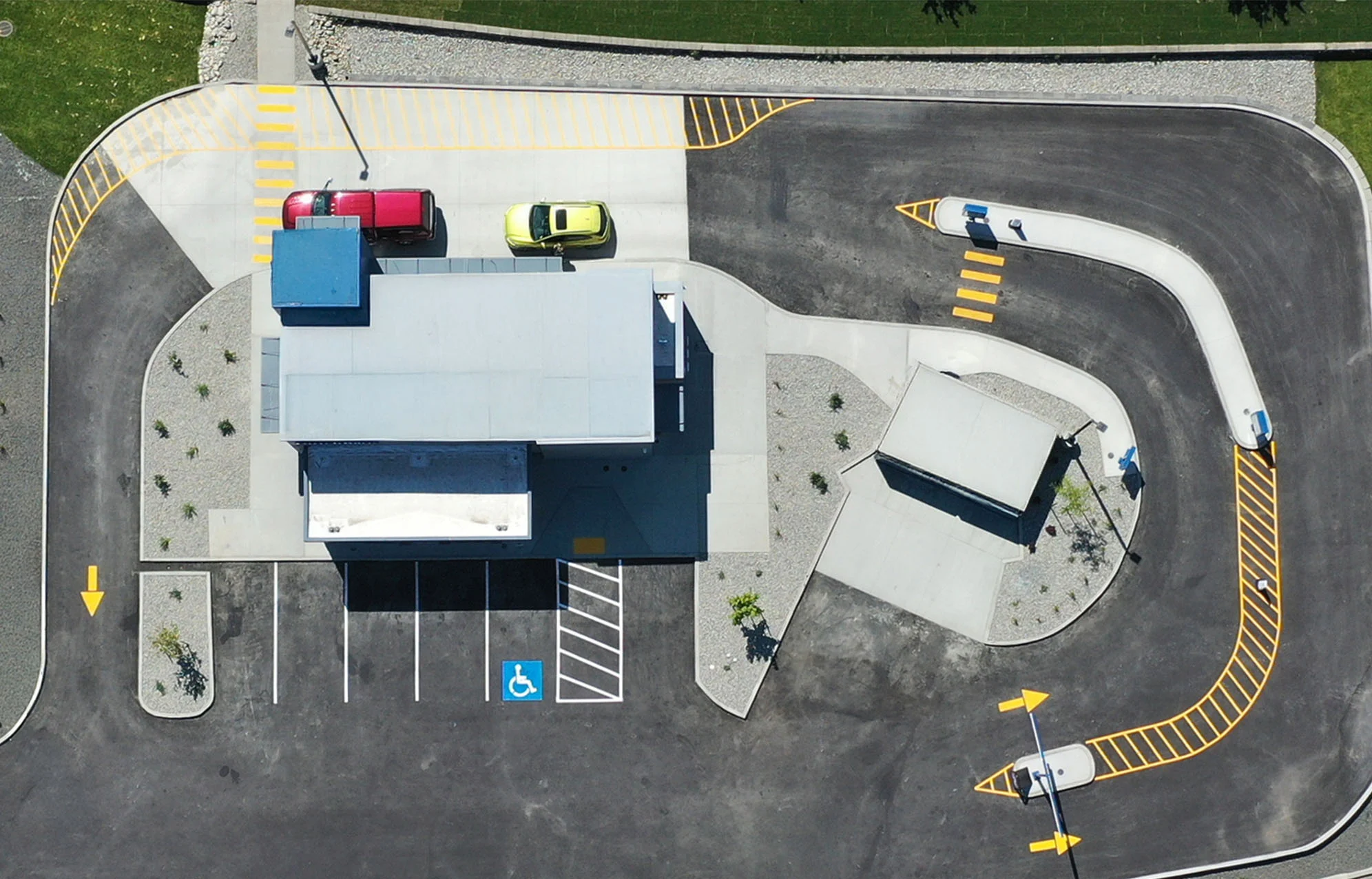
Drive thru operators have been timing their lanes for years, but the tools behind that measurement have changed more than most people realize. Automated loop detectors buried in the pavement became the industry standard, and now a new generation of camera-based timers is changing what “measuring speed of service” actually means. Understanding that shift matters, because the accuracy of the tool determines the accuracy of every decision built on top of it.
Where Loop Detectors Fall Short
Loop detectors, wire loops embedded in the pavement that sense a vehicle passing overhead, have long been a standard way to automate drive thru timing. But they have a structural limitation: they only register a car once it reaches their fixed location in the lane. Any time a guest spends waiting before that point, often the first minute or more during a rush, never gets counted at all.
What Camera-Based Timing Changes
Camera-based timing takes a different approach entirely. Instead of relying on a fixed point buried in the pavement, cameras use computer vision to detect and track vehicles from the moment they enter the drive thru lane. That single shift, from a fixed trigger point to continuous visual tracking, changes what operators can actually see. A camera system can capture wait time, order time, and window time as distinct segments of the same visit, rather than one blended number that starts partway through the guest’s experience.
This also solves a practical installation problem. Loop detectors require cutting into pavement, which means real construction cost and downtime for every lane. Camera-based systems typically mount above the lane, which makes them easier to install, easier to reposition if a layout changes, and easier to extend to multiple points along the lane rather than a single trigger.
Built for More Than Just One Lane
Modern drive thru operations rarely consist of a single, simple lane anymore. Many restaurants now juggle dual lanes, curbside pickup, mobile order parking spots, and merge points where two lines become one. Loop detectors, tied to a single fixed location, struggle to keep up with that complexity without a significant amount of additional hardware. Camera-based systems are inherently better suited to it, since a single camera can often observe an entire lot layout and track multiple vehicle paths at once, including guests who never enter a traditional lane at all. As drive thru formats keep getting more complex, that flexibility becomes less of a nice-to-have and more of a requirement.
Why Measurement Scope Actually Matters
The difference between these two approaches isn’t just technical, it’s about what a restaurant believes “speed of service” means. A loop detector measures the lane. A camera system measures the customer’s actual experience, starting from the moment they commit to getting in line. That distinction becomes important the moment a restaurant tries to act on its data. A manager working from loop-detector data might conclude the window is the problem, when the real issue is a long, invisible wait before the speaker ever picks up the order.
What the 2025 Data Shows Is at Stake
The 25th Annual Intouch Insight Drive Thru Study puts real numbers behind why this level of precision matters. Average total time across the industry now sits at 5 minutes and 35 seconds, and wait time, the segment most likely to go uncounted by older timing methods, is the single largest gap compared to pre-2020 benchmarks. The study also found that clear audio shaved 54 seconds off the average interaction, and that skipping a repeated order saved guests a full minute and 25 seconds. None of these insights are visible to a restaurant whose only measurement tool starts the clock partway through the visit.
Measuring the Whole Experience, Not Just the Lane
The restaurants that get the most value out of their speed of service data are the ones measuring the guest’s actual experience from start to finish, not just the portion that happens to fall within reach of a buried sensor. As drive thru technology continues to evolve, that shift, from measuring the lane to measuring the customer, is likely to keep separating restaurants that are guessing at their bottlenecks from restaurants that know exactly where they are.
Contact an HME representative today to talk through what accurate, full-visit timing could look like for your restaurants.
Share

Rhonda Utley
Customer Success Supervisor, HME
